
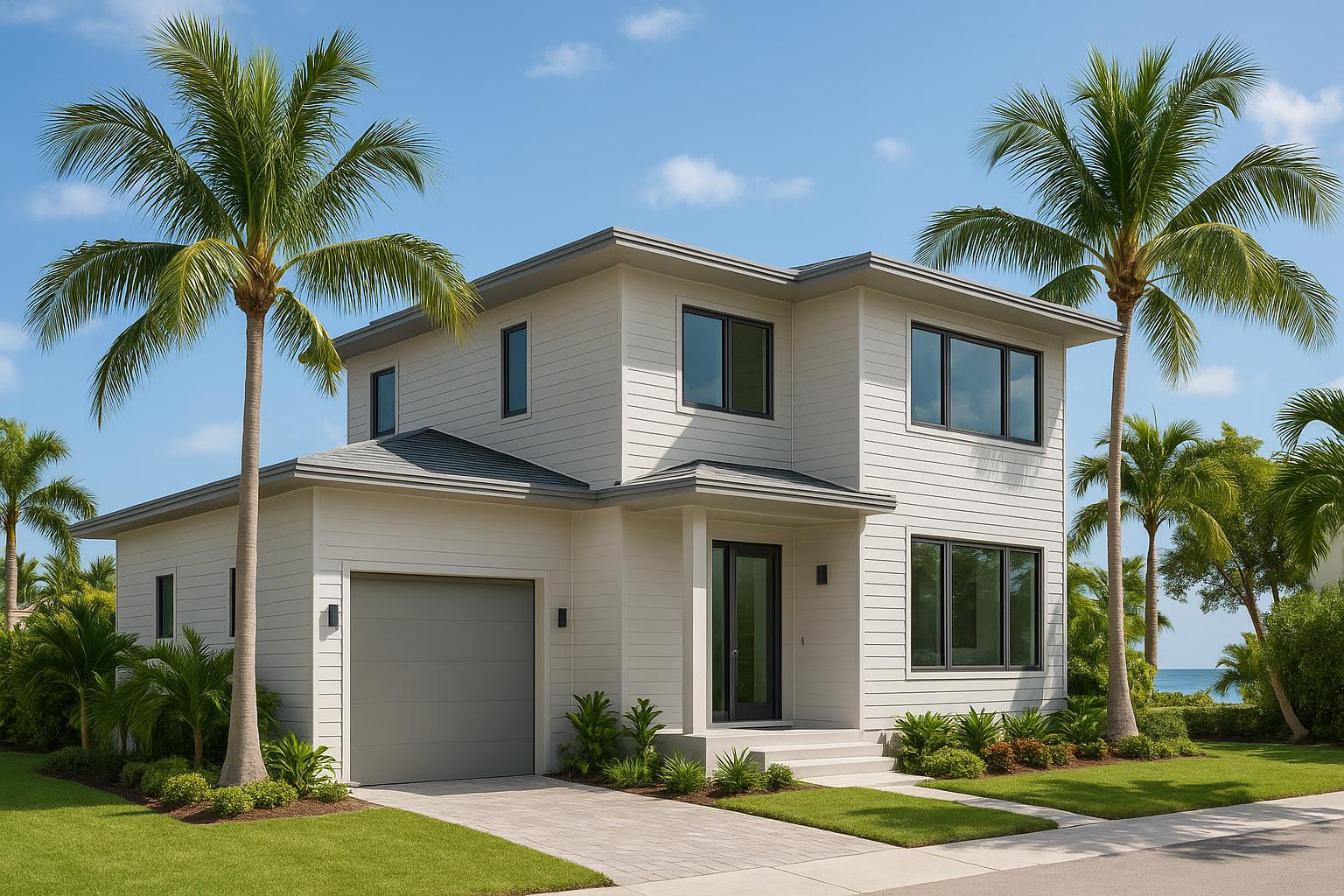
Why Your Siding Choice Matters More in a Coastal City
Living in Miami Beach means your home's exterior faces a unique combination of challenges that most inland homeowners never have to think about. Between the salt-laden ocean air, intense UV exposure, tropical humidity, and the ever-present threat of hurricane-season storms, your siding does far more than just look good — it serves as your home's first line of defense against the elements.
If you're planning an exterior remodel or noticing signs that your current siding is deteriorating, choosing the right replacement material is one of the most important decisions you'll make. The wrong choice can lead to premature fading, warping, mold growth, or even structural damage. The right choice can protect your home for decades while boosting curb appeal and property value.
Key Factors to Consider in Miami Beach's Climate
Before diving into specific materials, it helps to understand what your siding needs to withstand in this part of South Florida:
- Salt air corrosion: Homes near the coast are constantly exposed to airborne salt particles, which can corrode metals and break down certain finishes faster than expected.
- High humidity: Miami Beach's average humidity hovers around 75%, creating ideal conditions for mold, mildew, and moisture intrusion if your siding isn't properly sealed and ventilated.
- Intense sun exposure: Year-round UV radiation can cause colors to fade and certain materials to become brittle over time.
- Wind-driven rain and storms: During hurricane season, your siding must resist high winds and heavy, horizontal rain without cracking or allowing water behind the wall.
- Building code compliance: Miami-Dade County has some of the strictest building codes in the country, especially regarding wind resistance. Any siding you choose must meet local requirements.
Popular Siding Materials Compared
Fiber Cement Siding
Fiber cement has become one of the most popular siding choices for coastal homes, and for good reason. Made from a blend of cement, sand, and cellulose fibers, this material resists moisture, won't rot, and holds up well against salt air. It's also non-combustible and can be manufactured to mimic the look of wood, stucco, or stone.
For Miami Beach homeowners, fiber cement offers excellent wind resistance when properly installed and meets the demanding local building codes. It does require professional installation to ensure seams are sealed correctly, and it should be repainted every 10 to 15 years to maintain its appearance.
Vinyl Siding
Vinyl siding is affordable and low-maintenance, which makes it appealing for budget-conscious projects. Modern vinyl products have improved significantly in terms of color retention and durability. However, in a coastal environment like Miami Beach, vinyl has some notable drawbacks. It can become brittle under prolonged UV exposure and may not perform as well in extreme wind events unless you choose impact-rated panels specifically designed for hurricane zones.
If you're considering vinyl, make sure to select products rated for high-velocity hurricane zones and discuss installation methods with your contractor to ensure compliance with local codes.
Stucco
Stucco is a classic choice throughout South Florida, and many Miami Beach homes already feature it. Traditional stucco provides a seamless, elegant finish and offers good resistance to wind and fire. However, stucco is prone to cracking over time, especially as homes settle or shift. Those cracks can allow moisture to penetrate behind the surface, leading to hidden mold and structural issues.
If you love the stucco look, consider modern synthetic stucco systems (EIFS) that include built-in moisture barriers and drainage planes. Regular inspections are essential to catch and repair cracks before they become costly problems.
Aluminum and Metal Siding
Metal siding offers excellent durability and wind resistance, but traditional aluminum can be vulnerable to corrosion in salt air environments. If you prefer a metal option, look for panels with marine-grade coatings or consider newer aluminum alloys designed specifically for coastal applications. Proper finishing and sealing are critical to prevent pitting and oxidation over time.
Engineered Wood Siding
Engineered wood products offer the natural beauty of real wood with better moisture resistance. These panels are treated to resist rot, termites, and fungal decay. While they perform better than natural wood in humid climates, they still require more maintenance than fiber cement or vinyl and may not be the best long-term investment for homes just steps from the ocean.
What About Impact Resistance and Hurricane Ratings?
In Miami Beach, your siding isn't just about aesthetics — it's about safety. Miami-Dade County requires building materials to meet specific wind-borne debris impact standards, especially in high-velocity hurricane zones. When selecting siding, always verify that the product carries the appropriate Miami-Dade Notice of Acceptance (NOA) or Florida Product Approval.
Your remodeling contractor should be familiar with these requirements and able to guide you toward compliant products. Cutting corners on code compliance isn't just risky during a storm — it can also create problems with insurance claims and property resale.
Maintenance Tips to Extend the Life of Your Siding
No matter which material you choose, regular maintenance will help your siding last longer and look better:
- Schedule annual inspections to catch cracks, loose panels, or early signs of moisture damage before they escalate.
- Power wash gently once or twice a year to remove salt buildup, mold, and dirt. Use low pressure to avoid damaging the surface.
- Repaint or reseal as recommended by the manufacturer. In Miami Beach's harsh climate, finishes may need attention sooner than the national average.
- Trim vegetation near your exterior walls to improve airflow and reduce moisture retention against the siding.
- Address repairs immediately. A small crack or loose panel can quickly become a major issue during a tropical storm.
How a Professional Consultation Can Save You Money
Choosing siding isn't a one-size-fits-all decision. The best material for your home depends on its specific location, architectural style, existing structure, and your long-term goals. A professional remodeling consultation can help you weigh the pros and cons of each option based on your home's unique situation.
At House Exterior Remodeling, we work with homeowners throughout Miami Beach to evaluate their existing siding, recommend appropriate materials, and handle every step of the installation process. We understand the local building codes, know which products perform best in our coastal climate, and ensure that every project is completed with clear communication and dependable scheduling.
Whether you're dealing with aging stucco, storm-damaged panels, or simply want to upgrade your home's exterior, getting expert advice upfront can prevent expensive mistakes down the road.
Ready to Get Started?
If your home's siding is showing its age or you're planning an exterior renovation, don't leave your material choice to guesswork. Contact House Exterior Remodeling for a consultation tailored to your Miami Beach home. We'll help you find the right siding solution that looks great, meets code, and stands up to everything our coastal weather can throw at it.